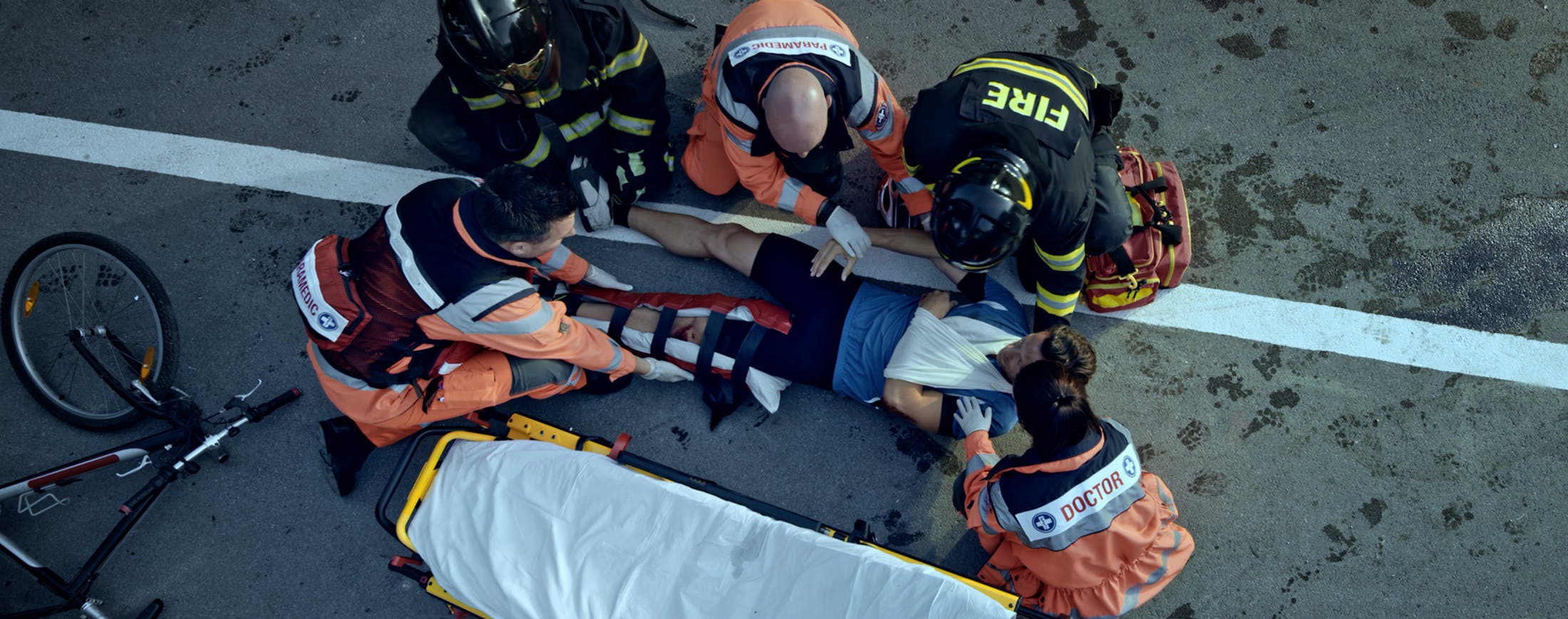
Challenges in Bicycle Accident Cases: Emergency Care and Financial Recovery

Cyclists can take important safety precautions—such as wearing helmets, reflective clothing, and other protective gear—but these measures cannot eliminate the risks posed by negligent drivers or unsafe roadway conditions.

Each year, a substantial number of bicycle-related injuries result in emergency department visits across the United States, underscoring how serious these incidents can be. According to the Centers for Disease Control and Prevention, bicycle crashes often result in injuries requiring immediate medical care.

Despite the frequency and severity of these accidents, many incidents are never formally reported, and many injured cyclists do not pursue legal claims. Even when a claim is initiated, recovering full and fair compensation can be challenging—particularly when insurance companies dispute liability or attempt to minimize the extent of injuries.

In California, injured cyclists have the right to pursue damages when another party’s negligence contributes to the accident. However, under the state’s comparative fault rules, compensation may be reduced if the cyclist is found partially responsible.

Moving Forward After a Bicycle Accident

Taking prompt action after a crash is crucial for protecting your health and financial future. Consulting with an experienced bicycle accident attorney as soon as possible can help preserve evidence, clarify your legal options, and strengthen your claim for the best possible outcome.

Fiore Legal has extensive experience representing injured cyclists across California and a proven track record of securing meaningful results. We understand the strategies insurance companies and defense teams often use to limit or deny claims, and we are prepared to push back effectively. From investigating the cause of the accident to advocating for full and fair compensation, our focus remains on protecting your interests.

If you or someone you care about has been injured in a bicycle accident in Pasadena, our attorneys are here to help you pursue accountability and financial recovery. Contact Fiore Legal today to schedule a complimentary, no-obligation consultation.

Banner media

California Bicycle Accident Laws

To improve rider safety, California has enacted several laws designed to reduce collisions and clarify the responsibilities of drivers:

Three Feet for Safety Act

Drivers must provide at least three feet of space when passing a bicycle traveling in the same direction. If that distance is not feasible, motorists are required to slow down and pass only when it can be done safely without putting the cyclist at risk.

Safe Passing Requirements

Any driver overtaking a bicycle must do so in a way that does not interfere with the cyclist’s safe operation. This helps prevent common accidents such as sideswipes and unsafe close passes.

Cyclists’ Right to the Lane

Bicyclists are legally allowed to occupy a full lane when necessary for safety. Drivers cannot force a cyclist to share a lane in a way that creates a hazardous situation.

Protected Bicycle Lanes (CVC § 21209)

Many cities, including Pasadena, have designated bike lanes marked by solid white lines or green pavement. Under California law, drivers are generally prohibited from using these lanes except in limited circumstances, such as:

  • Entering or exiting the roadway
  • Accessing a lawful parking space
  • Making a turn within a reasonable distance

Common Causes of California Bicycle Accidents

  • Aggressive Driving and Road Rage: Some drivers become impatient when sharing the road with cyclists and react in unsafe ways. This can include tailgating, passing too closely, excessive honking, or intentionally crowding a rider. These actions create dangerous conditions and increase the likelihood of serious collisions.
  • Driver Distraction: Inattention remains one of the leading causes of bicycle accidents. When drivers focus on phones, navigation systems, or other distractions, they may fail to notice nearby cyclists—especially when making turns or changing lanes. This often results in delayed reactions and high-impact crashes.
  • Excessive Speed: Speeding reduces a driver’s ability to react and significantly increases the severity of injuries in a collision. Even small speed increases can have a major impact on survivability, making it especially dangerous when vehicles interact with unprotected cyclists.
  • Driving Under the Influence: Operating a vehicle while impaired by alcohol or drugs is illegal in California and remains a major factor in serious accidents. Impaired drivers have reduced judgment, slower reaction times, and diminished awareness—placing cyclists at substantial risk.
  • Poor Visibility and Road Conditions: Certain conditions increase the likelihood of bicycle accidents, including low light in the early morning or evening, as well as weather events like rain that reduce visibility and traction. These factors can make it harder for drivers to see cyclists and respond appropriately.
Logo media

Recovering Compensation

After a bicycle accident, taking timely action can be critical to protecting your ability to recover compensation. These incidents often lead to significant financial strain—from medical expenses to lost income—and delays in pursuing a claim can make it more difficult to secure the full amount you may be entitled to.

An experienced California bicycle accident attorney will often emphasize the importance of acting early. Building a strong claim starts with understanding how to respond in the moments and days following a crash.

Equally important is maintaining composure at the scene. While it can be frustrating or overwhelming when a driver acts negligently, emotional reactions or confrontations may complicate a potential claim. Staying focused, gathering information, and documenting what happened can help strengthen your case moving forward.

Banner media
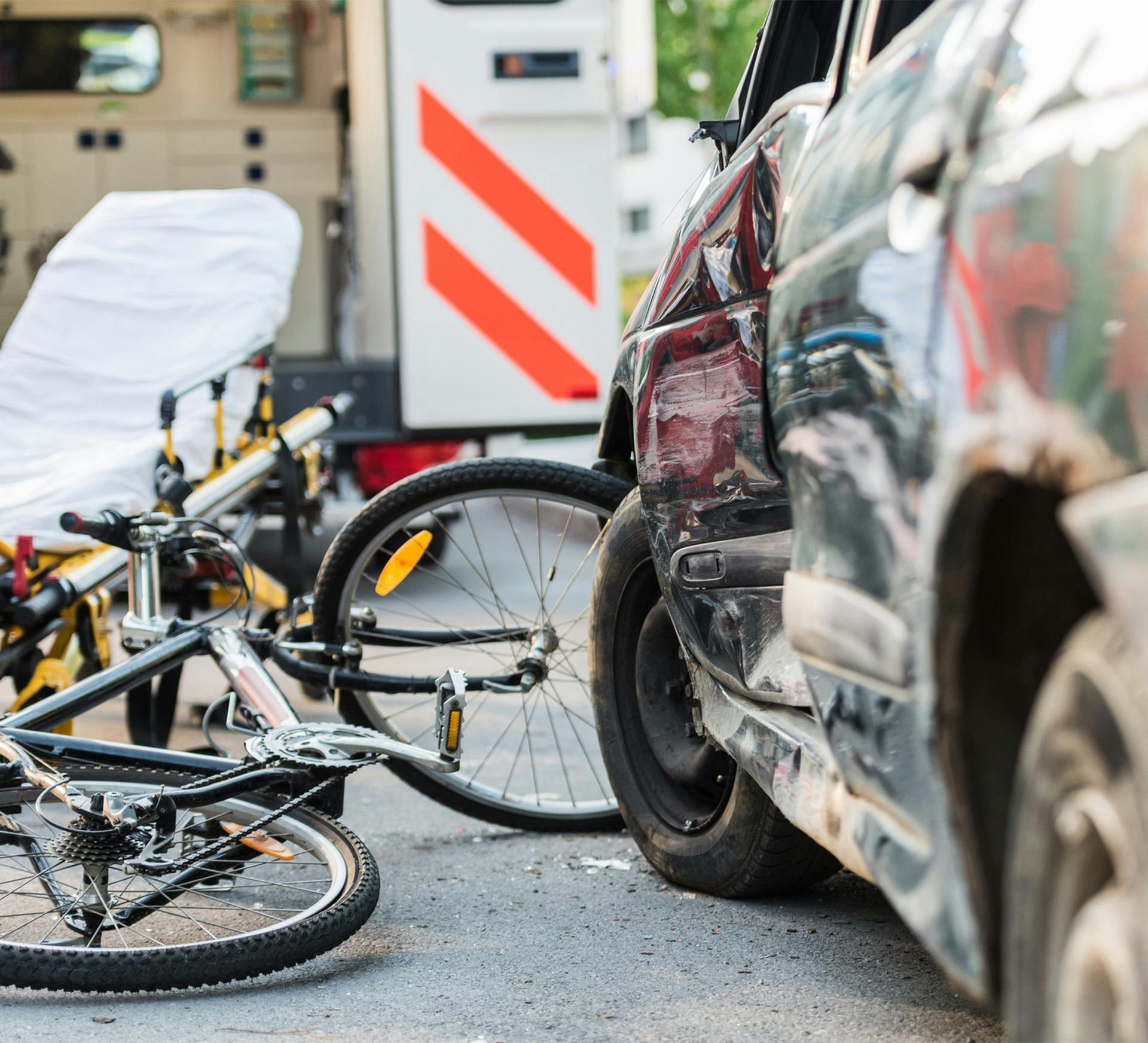
a bicycle is laying on the ground next to a badly damaged car with an ambulance in the background

Steps to Take After a Bicycle Accident

Being involved in a collision can be overwhelming, especially when it happens suddenly or involves reckless behavior. While the situation may be frustrating, staying calm and taking the right steps can help protect both your safety and your ability to pursue compensation.

After an accident, take the following actions:

  • Check for injuries and call for help: Evaluate your condition and call 911 if you or anyone else may be injured.
  • Seek medical attention promptly: Even if injuries seem minor, get evaluated as soon as possible—either at the scene or shortly after leaving.
  • Exchange information: Obtain the driver’s name, contact details, and insurance information.
  • Document the scene: Take photos or videos of the vehicles, roadway conditions, and any visible injuries.
  • Speak with witnesses: If anyone saw what happened, ask for their contact information and whether they are willing to provide a statement.
  • Preserve records: Document your injuries, including photos, medical reports, and related expenses.
  • Consult an attorney: Reaching out to a qualified attorney early can help you understand your rights and next steps.

Determining Bicycle Accident Fault

After a bicycle accident, it is common to assume the driver of a larger vehicle is responsible—but under California law, fault must be clearly established. In Pasadena and throughout the state, liability is determined by proving negligence through specific legal elements.

The Key Elements of Fault

To successfully hold a driver accountable, the following must be shown:

  • Duty of Care: Drivers are legally required to operate their vehicles with reasonable care and follow traffic laws to prevent harm to others, including cyclists. This obligation is established under California Civil Code section 1714, which forms the foundation of negligence claims in California.
  • Breach of Duty: A breach occurs when a driver fails to meet that standard—for example, by speeding, driving distracted, or failing to yield. These actions increase the risk of harm and may expose the actor to liability.
  • Causation and Injury: It must also be proven that the driver’s actions directly caused the accident and resulting injuries. This is typically supported through medical records, accident reports, and witness statements.

When Someone Other Than the Driver May Also Be Liable

In some cases, the driver may not be the only legally responsible party. For example, if the driver was acting within the scope of employment at the time of the collision, an employer may also be held liable. California’s jury instructions address that principle in CACI No. 3701 on vicarious responsibility.

Comparative Fault in California

California also follows a pure comparative fault system. That means an injured cyclist may still recover compensation even if they were partly at fault, although their percentage of responsibility may reduce any recovery. That rule is reflected in CACI No. 405 on comparative fault.

Mauro Fiore Jr. and Krystale Rosal with Fiore Legal Injury Attorneys signing paperwork together

Speak With an Experienced Bicycle Accident Attorney

If you’ve been injured in a bicycle accident involving a motor vehicle, having the right legal guidance can significantly impact your recovery. Fiore Legal represents injured cyclists throughout California, helping clients understand their rights and pursue the compensation they deserve under the law.

Our team can assess how California bicycle laws apply to your situation and recommend the best course of action. Taking prompt action allows us to begin building a strong case on your behalf.

We handle bicycle accident claims on a contingency fee basis, which means you pay no legal fees unless we successfully recover compensation for you. Contact Fiore Legal today to schedule your consultation.

Logo media

Experts in Injury Law Protect Your survival. future. family.

Accessibility: If you are vision-impaired or have some other impairment covered by the Americans with Disabilities Act or a similar law, and you wish to discuss potential accommodations related to using this website, please contact our Accessibility Manager at (626) 770-4652.
Contact Us