
Motorcycle collisions are among the most serious types of roadway incidents, often resulting in devastating injuries or loss of life. Unlike occupants of passenger vehicles, riders have minimal physical protection, leaving them highly exposed in a crash; even at lower speeds, impact can throw a motorcyclist from the bike.
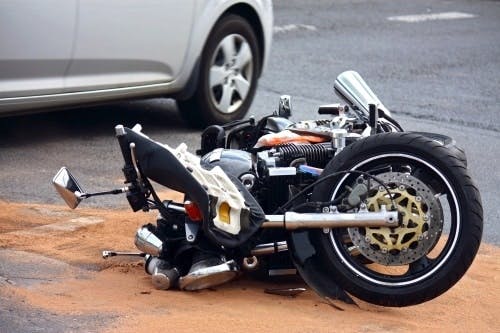



Understanding Liability in California Motorcycle Accident Cases
In many motorcycle accident claims, insurance companies attempt to shift blame onto the rider, arguing that the motorcyclist contributed to the crash.
Whether that claim is valid or not, California follows a pure comparative negligence rule. This means an injured rider may still recover compensation even if they are partially at fault, though their percentage of responsibility reduces the recovery.
The California Civil Jury Instructions explain that damages are adjusted based on each party’s share of fault, making liability a critical factor in a case's value.
Because fault directly impacts financial recovery, building a strong case requires careful investigation, evidence gathering, and strategic advocacy. The goal is always to minimize any unfair assignment of blame and pursue the full compensation available under California law.